Is Ciabatta Healthy? What Ingredients and Studies Can Tell You
Ciabatta is a bread style, not a nutrition category. Assess its ingredients, serving, and measured evidence before making a health claim.
Read articleThe archive · 47 articles
Formula, technique, bread composition, and the history around the work. Browse by subject or author; original bylines and publication dates remain with each article.
Subscribe by RSS
The complete journal
Ciabatta is a bread style, not a nutrition category. Assess its ingredients, serving, and measured evidence before making a health claim.
Read articleCompare yeast-poolish ciabatta and sourdough by culture, formula, fermentation, and handling.
Read articleWhy fermentation labels alone cannot predict fructan levels in a particular ciabatta or sourdough.
Read articleA light dough feel is a handling observation, not a measurement of fructans or digestion.
Read articleFructans and gluten are different components of wheat; symptoms alone do not distinguish them.
Read articleCiabatta’s versatility depends on a technically demanding dough and a process the baker can read.
Read articleA precise guide to fructans and gluten in wheat bread, with clinical claims kept within the evidence.
Read articleThe stages of a ciabatta bake set different intervals for fermentation, handling, observation, and proof.
Read articleWhat bread composition studies can show about fermentation—and why they cannot promise an individual digestive response.
Read articleFructans and gluten are distinct wheat components; neither label identifies the cause of an individual symptom.
Read articleSeparate wheat gluten, bread composition, and digestive outcomes before making a claim about ciabatta.
Read articleHydration and folds influence dough behaviour; flour, fermentation, strength, and proof also shape crumb.
Read articleA comparison of homemade ciabatta and sourdough by method, texture, and use at the table.
Read articleFollow the published yeast-poolish formula through bulk fermentation, three folds, division, proof, and bake.
Read articleFive technical decisions shape a home ciabatta: flour, water, fermentation, dough strength, and handling.
Read articleCiabatta ingredients and baking technique explained without treating a bread style as a health claim.
Read articleThe craft of ciabatta and the distinction between observable process and demonstrated health effect.
Read articleWhat a baker can establish about process, and what would require evidence of a health outcome.
Read articleDirect answers about wheat ciabatta, gluten, and the limits of fermentation and handling.
Read articleA baker’s account of flour, water, fermentation, and what evidence can support about bread.
Read articleWhat the name ciabatta can tell you about bread—and what ingredients and serving context must answer.
Read articleA clear answer about wheat ciabatta and gluten, including why fermentation does not make it gluten-free.
Read articleWhy a fold or handling step cannot be presented as a proven method for lowering fructans.
Read articleA reflection on attention to ingredients, timing, and the physical conditions of a bake.
Read articleA practical account of ciabatta technique, with health and digestibility claims bounded by evidence.
Read articleWheat ciabatta contains gluten; composition studies and digestive outcomes answer different questions.
Read articleCiabatta and sourdough describe different features of bread; compare their formulas and fermentation methods.
Read articleWhat studies of selected breads can—and cannot—establish about fermentation and wheat sensitivity.
Read articleWhat distinguishes ciabatta, what wheat gluten means, and what fermentation does not change.
Read articleA process-based comparison of ciabatta and sourdough that avoids unsupported health rankings.
Read articleWheat ciabatta contains gluten; this guide separates baking method from dietary suitability.
Read articleHow flour, fermentation, crust, crumb, and handling give ciabatta its distinctive character.
Read articleFolds help organize wet dough; they do not establish lower gluten, fructans, or improved digestibility.
Read articleWheat ciabatta contains gluten. This article separates gluten from fructans and explains the limits of fermentation claims.
Read articleA reflection on the work carried out while ciabatta dough rests between stages.
Read articleJohn Deacon traces the connection between engineering process diagrams and the measured, sensory work of baking ciabatta.
Read articleA fair comparison starts with the actual ingredients, culture, fermentation schedule, and measured outcome.
Read articleA study-specific account of gluten, fructans, and the bread samples researchers measured.
Read articleA preserved 2023 Ciabatta.co.za entry about bread and a festive season in Kenton.
Read articleA technical introduction to ciabatta hydration, dough strength, and fermentation; ordinary wheat ciabatta contains gluten.
Read articleCiabatta is wheat bread and contains gluten; its style does not define its measured composition.
Read articleA practical archive note on bread service, preparation, and the demands of planning a bake.
Read articleHow flour, hydration, fermentation, strength, and handling combine in a demanding ciabatta dough.
Read articleJohn Deacon recalls the ciabatta that set a standard for his baking and the years of work that followed.
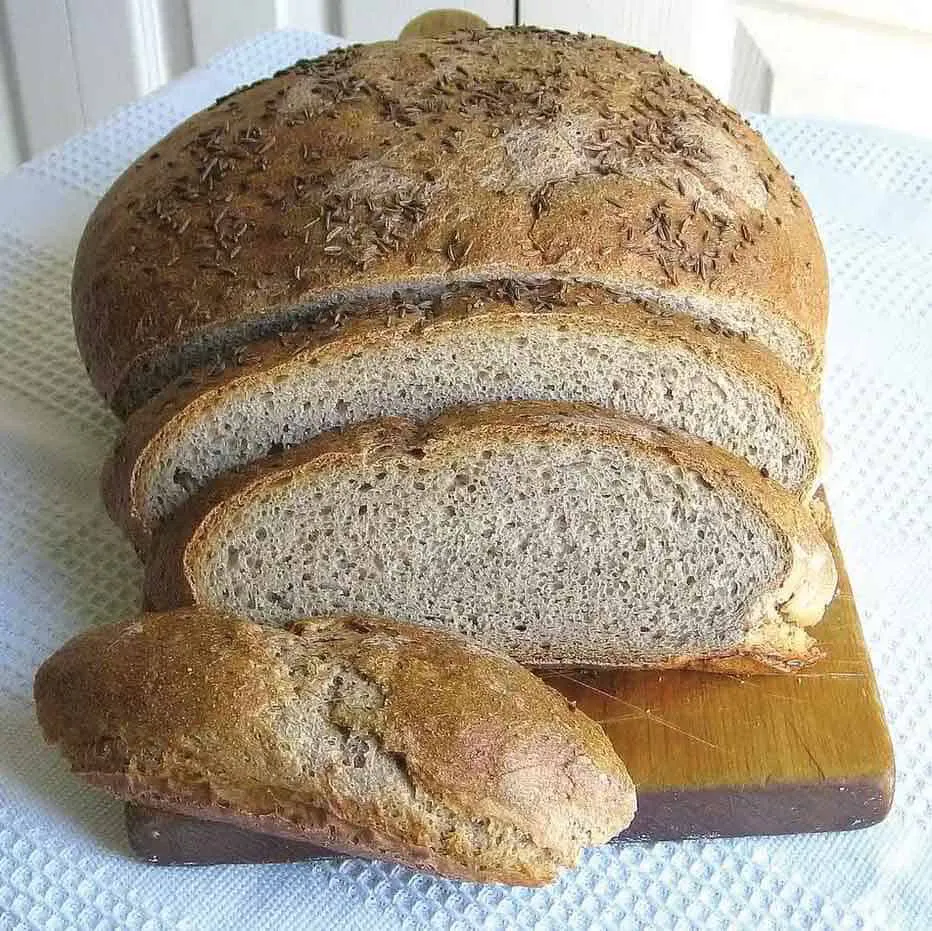
Read articleA preserved 2020 entry on Polish rye sourdough, distinct from the site’s yeast-poolish ciabatta formula.
Read articleA dated record of the Ciabatta.co.za store period and its earlier artisan-bread publishing.
Read articleA dated 2020 record of the SaintsValley and Artisan Kitchen names in the archive.
Read article